Why Do My Drains Smell? Causes and Fixes for Hayes Homes
If you’ve noticed unpleasant odours wafting from your drains at home in Hayes, you’re not alone. Drain smells can be a common but frustrating problem for homeowners across the London borough, especially in older properties or those with complex drainage systems. Understanding why your drains smell and how to fix the issue can save you from stress and potential damage.
In this article, we’ll explore the typical causes of smelly drains in Hayes homes—from dried-out traps and blocked gullies to damaged pipes and fat build-up. We’ll also guide you through tracing the source of the smell and advise which solutions you can safely tackle yourself, and when it’s best to call in a drainage expert.
Common Causes of Smelly Drains in Hayes Homes
Drain odours usually originate from bacteria breaking down organic matter inside the pipes. In many cases, the issue traces back to a dried-out U-bend or trap beneath sinks and baths. These traps are designed to hold water, which acts as a seal to stop foul smells from escaping. When water evaporates, that barrier disappears, allowing sewer gases to enter your home.
Blocked gullies are another frequent culprit. Gullies collect surface water and waste, but if they become clogged with debris, leaves, or sediment—common in areas like Southall or Northolt after heavy rain—they can stagnate and produce offensive smells. Similarly, damaged or cracked pipes, which might occur in older properties around Hayes or Uxbridge, can leak sewage gases into surrounding soil, leading to persistent odours.
Lastly, fat and grease build-up from kitchen sinks is a common problem particularly in busy family homes across West Drayton and Ruislip. These fats solidify in the drains, trapping food particles and waste, which then rot and release unpleasant smells over time.
How to Trace the Source of Drain Smells
Identifying exactly where a drain smell comes from can be tricky but is essential for effective treatment. Start by checking all water outlets in your property, including sinks, showers, and floor drains. Note if the smell is stronger near one particular fixture, which can direct you to the source.
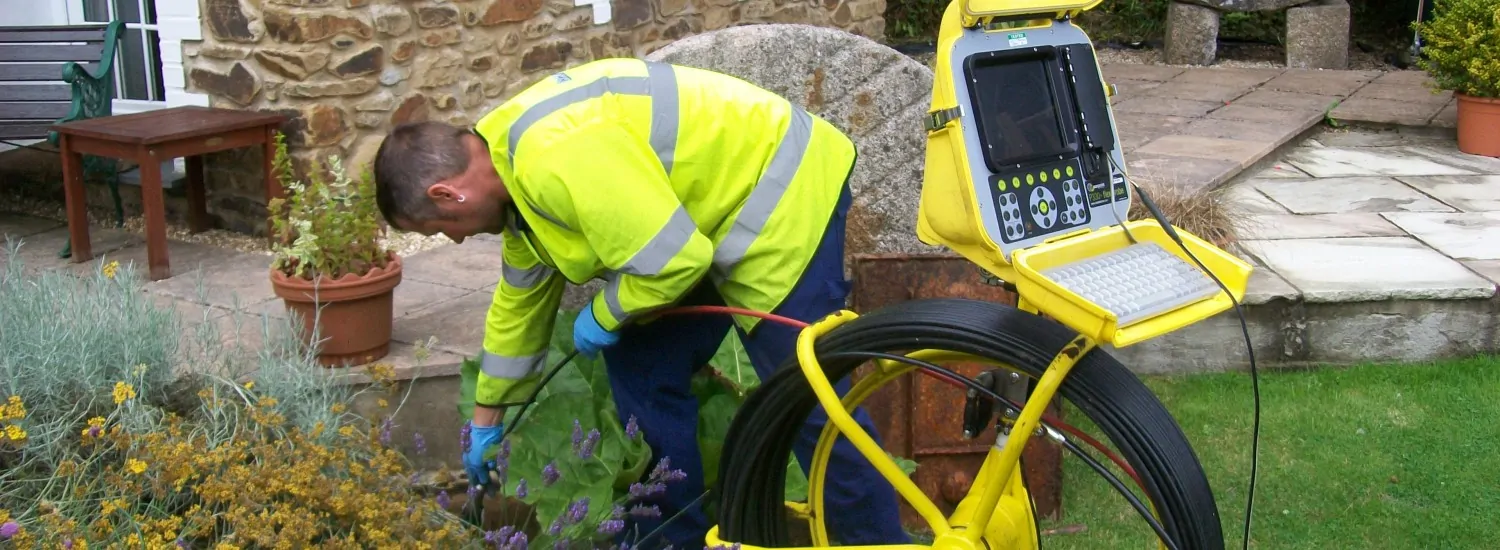
If the smell is prominent near external gullies or manholes, inspect them for blockages or damage—especially after storms common in London’s wetter months. Use gloves and a torch to look inside if safe to do so. In some cases, the problem might be further away within the underground drainage system, which requires professional detection equipment like CCTV surveys to pinpoint.
In Hayes and nearby towns like Yiewsley and Harlington, residents sometimes find smells worsen in damp basements or utility rooms, indicating possible leaks or damaged pipes hidden behind walls or under flooring. Tracking down these sources early can prevent more serious issues.
Fixing Dried-Out Traps: A Simple DIY Solution
When traps dry out, the easiest fix is to pour water down each drain regularly to maintain the water seal. In bathrooms or guest rooms that are rarely used, this might only require a weekly top-up. Adding a little cooking oil to the trap after refilling can help slow evaporation.
If the trap is cracked or broken, replacement is usually straightforward and can be done with some basic plumbing skills. Most DIY stores in the London area stock standard traps suitable for Hayes homes. However, always ensure the trap is correctly fitted to prevent leaks or persistent odours.
For outdoor gullies, flushing them with water can help clear minor blockages and re-establish water seals. Avoid using harsh chemicals which can damage local drainage ecosystems around places like Norwood Green or Yeading.
Clearing Blocked Gullies and Pipes Safely
Blocked gullies often respond well to DIY clearing methods. Start by removing visible debris such as leaves or dirt from the gully cover. Then use a stiff brush or drain rod to dislodge blockages further down the pipe.
Pouring a solution of hot water with a little washing-up liquid can help dissolve greasy build-up in kitchen drains. For tougher blockages, a manual drain snake or auger—available at hardware shops around Hillingdon and Cowley—can be effective without damaging pipes.
Always avoid chemical drain cleaners as they can corrode older pipes common in many Hayes properties and cause environmental harm. If blockages persist or you frequently experience slow draining, it may indicate a more serious problem requiring professional intervention.
When Fat Build-Up Becomes a Problem
Fat, oil, and grease (commonly referred to as FOG) are a major cause of smelly drains in busy kitchens. When poured down sinks, fats cool and solidify inside pipes, trapping food waste and creating a breeding ground for bacteria.
To reduce fat build-up, avoid rinsing cooking oils and grease down your drains. Instead, collect them in a container and dispose of them in household waste. Many local councils around areas like Ickenham and Harmondsworth provide guidance on safe disposal methods.
If you suspect fat build-up is causing drain smells or blockages, regular maintenance such as flushing with hot water and manual cleaning can help. For severe cases, professional drain cleaning or high-pressure water jetting might be necessary to restore free flow and eliminate odours.
When to Call a Professional Drainage Expert
While many drain smell issues can be tackled by homeowners, some situations require professional expertise. Persistent foul odours despite DIY efforts, slow draining across multiple outlets, or visible damage to pipes and gullies indicate a potentially serious problem.
In Hayes and neighbouring towns like Southall or Northolt, professional drainage specialists use advanced tools such as CCTV surveys to diagnose hidden faults, locate blockages deep underground, and assess pipe condition. Early intervention can save costly repairs later and prevent sewage leaks into your property.
Additionally, if you notice unusual smells following heavy rain or flooding common in parts of London, it may signal issues with the main sewer connection or local drainage infrastructure, which need specialist attention.
Preventing Drain Smells: Maintenance Tips for Hayes Residents
Regular maintenance is the best defence against smelly drains. Simple steps such as running water regularly through unused drains, clearing gully covers of debris, and avoiding pouring fats or food waste down sinks go a long way in preventing odours.
Installing drain strainers in sinks and showers catches hair and larger particles before they enter pipes. In homes around Uxbridge or West Drayton, where older drainage systems are common, scheduling a professional inspection every few years is wise to detect early wear or damage.
Finally, be mindful of what goes down your drains. Household chemicals should be disposed of correctly rather than flushed, and gardens or driveways with heavy leaf fall—such as those in Ruislip or Cowley—should have gullies checked regularly especially in autumn.
Need a drainage expert in Hayes?
Call 0800 669 6492