Collapsed Drains in Hayes: Signs, Causes and Repair Options
Collapsing drains can cause serious disruption and damage to properties throughout Hayes and the surrounding London boroughs. Often hidden beneath gardens, driveways, or roads, these underground pipes are essential for channeling waste and rainwater away from homes. When a drain collapses, it creates blockages and drainage failures that can lead to costly repairs if not caught early.
For homeowners in Hayes, recognising the early signs of a collapsed drain is key to preventing further problems such as flooding, subsidence, or damage to property foundations. This guide explains what a collapsed drain is, the common symptoms to look out for, typical causes, and the diagnostic and repair options available to restore your drainage system safely and effectively.
What Is a Collapsed Drain?
A collapsed drain occurs when a section of underground drainage pipe breaks, cracks, or caves in, interrupting the flow of wastewater or rainwater. This failure often results from structural damage due to ground movement, heavy loads above the pipe, or natural deterioration over time. In Hayes, where soil types can vary and old pipes are common, drain collapses are more likely to happen beneath older residential areas or roads.
Unlike simple blockages caused by debris, a collapsed drain creates a physical obstruction that cannot be cleared by normal methods such as snaking or jetting. This kind of damage requires inspection and repair since untreated collapses can cause backflows, flooding, and even soil erosion around the pipe.
Recognising the Signs of a Collapsed Drain
Persistent blockages are often one of the earliest warnings of a collapsed drain. If your Hayes home faces regular issues with slow drainage or repeated blockages despite clearing efforts, the problem may lie deeper underground at a collapse point.
Other signs include damp patches on walls or floors, which can indicate leaking wastewater escaping from a broken pipe underground. Subsidence or sinking areas in gardens and lawns, sometimes forming small sinkholes, are also red flags. These occur because soil erodes into the damaged pipe space, causing the ground surface above to shift or cave in.
Common Causes of Drain Collapse in Hayes
Soil movement and ground subsidence are leading causes of drain collapses in the London area. The clay soils around Hayes tend to expand when wet and shrink during dry spells, exerting pressure on underground pipes and weakening them over time.
Heavy traffic loads above buried drains, particularly on driveways or roads in nearby towns such as Hillingdon or Uxbridge, can also cause pipes to crack or break. In addition, tree root invasion is a frequent culprit, with roots penetrating and breaking drains as they seek moisture.
Older drainage systems installed decades ago may also suffer from material degradation or improper installation, increasing the likelihood of collapse.
How Are Collapsed Drains Diagnosed?
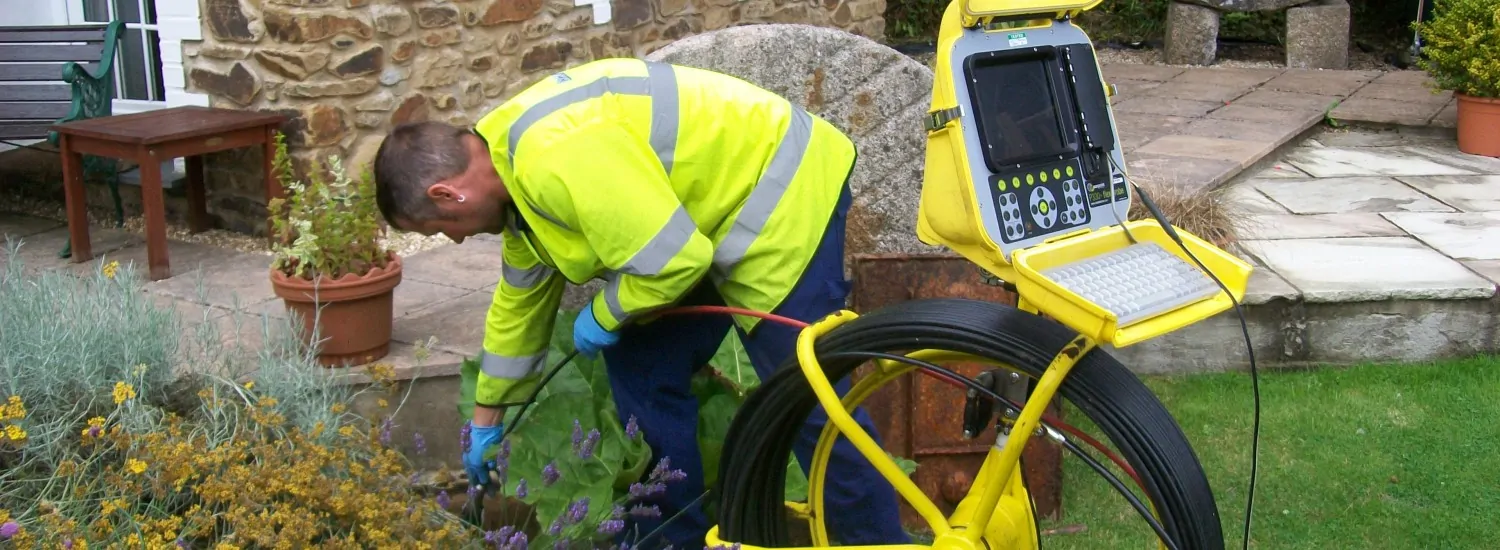
The first step in diagnosing a collapsed drain is typically a CCTV drain survey. A specialist camera is inserted into the drainage system to provide a live video feed of the pipe's condition. This inspection reveals precise collapse locations, pipe damage, and blockages.
In Hayes and surrounding areas like West Drayton and Southall, this non-invasive method is popular because it avoids unnecessary excavation and helps target repairs efficiently. Drainage professionals will also assess surface symptoms and may use ground radar tools in severe cases to detect voids or subsidence under lawns or driveways.
Following diagnosis, a detailed report usually outlines the extent of the collapse and suggests repair or replacement options.
Repair Options for Collapsed Drains
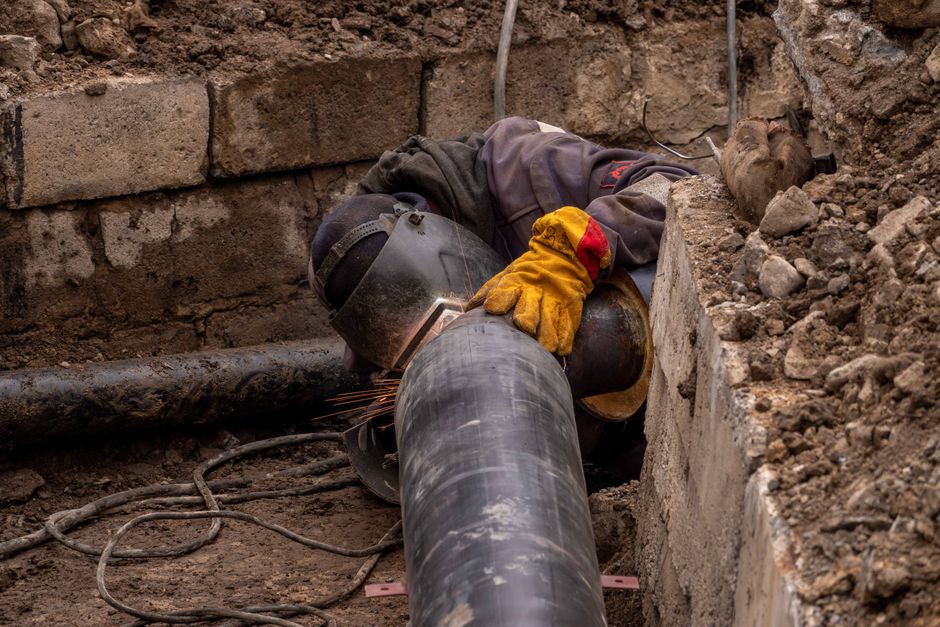
Once a collapsed drain is located, repair methods vary depending on the pipe’s condition and position. Traditional excavation involves digging up the damaged section to replace or repair the pipe. While effective, this process is disruptive to lawns, driveways, or paved areas common in Hayes and neighbouring towns like Yiewsley or Northolt.
Trenchless repair techniques, such as pipe lining or pipe bursting, are increasingly favoured. Pipe lining involves inserting a resin-coated liner into the existing pipe which hardens to form a new pipe within the old one, avoiding excavation. Pipe bursting replaces the damaged pipe by pulling a new pipe through the old one, fracturing the original pipe outwards into the surrounding soil.
Homeowners in the London boroughs benefit from these modern, less disruptive repairs that reduce surface damage and speed up completion times.
Preventing Future Drain Collapses
Regular maintenance is essential to reduce the risk of drain collapse. Homeowners in Hayes should arrange for annual drain inspections and cleansing, especially if their property has mature trees nearby or older drainage infrastructure.
Avoid pouring fats, oils, or unsuitable waste down household drains to prevent blockages that can place extra pressure on pipes. Also, be mindful of planting trees or large shrubs close to drainage lines, as root intrusion is a common cause of damage.
If you notice any early warning signs such as slow drainage or ground subsidence, seek professional advice promptly to catch issues before they worsen.
Local Considerations for Hayes and Surrounding Areas
Hayes and neighbouring towns like Ruislip, Harlington, and Ickenham share similar drainage challenges due to soil composition and urban development patterns. Older properties may have clay or concrete pipes prone to cracking, while newer developments sometimes use plastic piping less susceptible to collapse but still vulnerable to ground movement.
Furthermore, the fluctuating weather typical of London—alternating between wet winters and dry summers—can exacerbate ground movement and stress on drainage systems. This climate factor highlights why regular inspections and timely repairs are vital to maintaining drainage integrity in the area.
Local drainage professionals familiar with the infrastructure and soil conditions around Hayes can provide tailored advice and effective solutions.
Need a drainage expert in Hayes?
Call 0800 669 6492