Outside Drains and Gullies: A Guide for Hayes Homes
Outside drains and gullies play a vital role in managing rainwater around homes in Hayes, London. These drainage features help prevent flooding by directing water away from your property, keeping foundations dry and gardens safe from waterlogging. Understanding how these systems function and how to care for them can save homeowners considerable hassle and expense.
Many properties across Hayes and neighbouring areas like Hillingdon, Uxbridge, and Yiewsley rely on a network of external drainage including channel drains, gullies, and soakaways. Given London’s seasonal weather fluctuations—wet winters and occasional dry spells—regular maintenance is essential to keep outside drains working efficiently and to avoid standing water issues.
How Outside Drains, Gullies, and Channel Drains Work
Outside drains and gullies serve as crucial entry points for rainwater collected from surfaces such as roofs, driveways, and patios. A gully is essentially a drainage pit covered with a grate, designed to capture runoff and channel it into the underground drainage pipes. These pipes then carry water away from the property, often connecting to the main sewer or local watercourses.
Channel drains, also known as linear drains, are long, narrow, grated channels typically installed along paved areas or beside driveways to intercept surface water before it pools. They direct water towards gullies or soakaways, preventing it from accumulating where it might cause damage or inconvenience. Both these systems work best when free from obstructions, allowing water to flow swiftly and safely away from your home.
In Hayes and surrounding towns such as West Drayton and Southall, older properties may have different drain layouts compared to newer builds, but the principle remains the same. Properly functioning drains are essential for managing the heavy rainfall often experienced in the London area, especially during autumn and winter months.
Why Leaves and Silt Block Outside Drains
One of the most common reasons outside drains and gullies get blocked in Hayes is the accumulation of organic debris such as leaves, twigs, and moss, especially during autumn when trees shed heavily. These materials collect on the grates and inside the drain chambers, reducing water flow and sometimes causing blockages severe enough to lead to flooding.
Silt and soil carried by surface water also contribute to blockages. After rainfall, fine particles wash off gardens, driveways, and unpaved areas, settling inside drains over time. This sediment build-up narrows the drainage channels and can trap further debris, making problems worse.
Properties in leafy parts of Hayes or nearby Ruislip might experience this issue more frequently due to the abundance of mature trees. Regular clearing of leaves and silt is therefore necessary to maintain clear drainage paths and protect your property from water damage.
Seasonal Maintenance for Outside Drains in Hayes
Regular seasonal maintenance is key to ensuring outside drains and gullies keep working effectively throughout the year. In late autumn, it’s wise to clear away fallen leaves from drain covers and nearby gutters, preventing blockages before winter rains arrive. Checking for blockages and removing any visible debris should be part of this routine.
During winter and early spring, inspect for signs of slow draining or standing water near your home, which may indicate a blockage forming beneath the surface. If safe and practical, use a drain rod or suitable tool to dislodge any trapped debris in shallow gullies.
In the warmer months, although leaves are less of an issue, silt and soil build-up can still occur. Consider flushing drains with water after heavy storms to help clear sediment. For homes in Hayes, Northolt, or Yeading, this routine helps prepare the drainage for the wetter months ahead and reduces the risk of summer flooding caused by blocked drains.
Recognising and Responding to Standing Water Around Your Home
Standing water around the perimeter of your home can be a sign of drainage problems. It often indicates blocked or inefficient outside drains that fail to divert rainwater quickly enough. For residents in Hayes and nearby Cowley or Harlington, noticing puddles or saturated soil near foundations or driveways warrants prompt investigation.
Persistent standing water can lead to more serious issues, such as damp walls, weakened foundations, and increased risk of slips and falls. It may also attract pests and cause unpleasant odours. Spotting these issues early and addressing the root cause helps protect your property’s structural health.
Simple measures such as clearing drains, checking gullies for debris, and ensuring that soil levels around your home slope away from the building can minimize standing water problems. If these steps do not resolve the issue, professional drain inspections using cameras or jetting equipment may be necessary, especially in older properties common across London boroughs.
Local Drainage Considerations for Hayes and Surrounding Areas
The drainage needs of homes in Hayes, London, can vary depending on local soil type, property age, and proximity to watercourses. Many parts of Hayes and neighbouring areas like Ickenham and Norwood Green have clay or mixed soils which can slow natural ground drainage, increasing reliance on man-made outside drainage systems.
Older properties might have traditional gully systems that require more frequent maintenance compared to modern drainage solutions. Meanwhile, new developments in places like Yeading or Harmondsworth often incorporate contemporary channel drains designed to cope with large surface water volumes.
Local council drainage policies and the high water table in some areas also influence how outside drains function. For homeowners, understanding these local factors can help in planning maintenance and addressing issues promptly, reducing the risk of flood damage during heavy London rainfall.
When to Seek Professional Help for Outside Drain Issues
While routine cleaning and minor clearing can be handled by most homeowners, there are times when professional drainage services are advisable. If you notice persistent blockages, foul smells, slow drainage despite clearing gullies, or if standing water persists after rainfall, it may indicate a deeper issue.
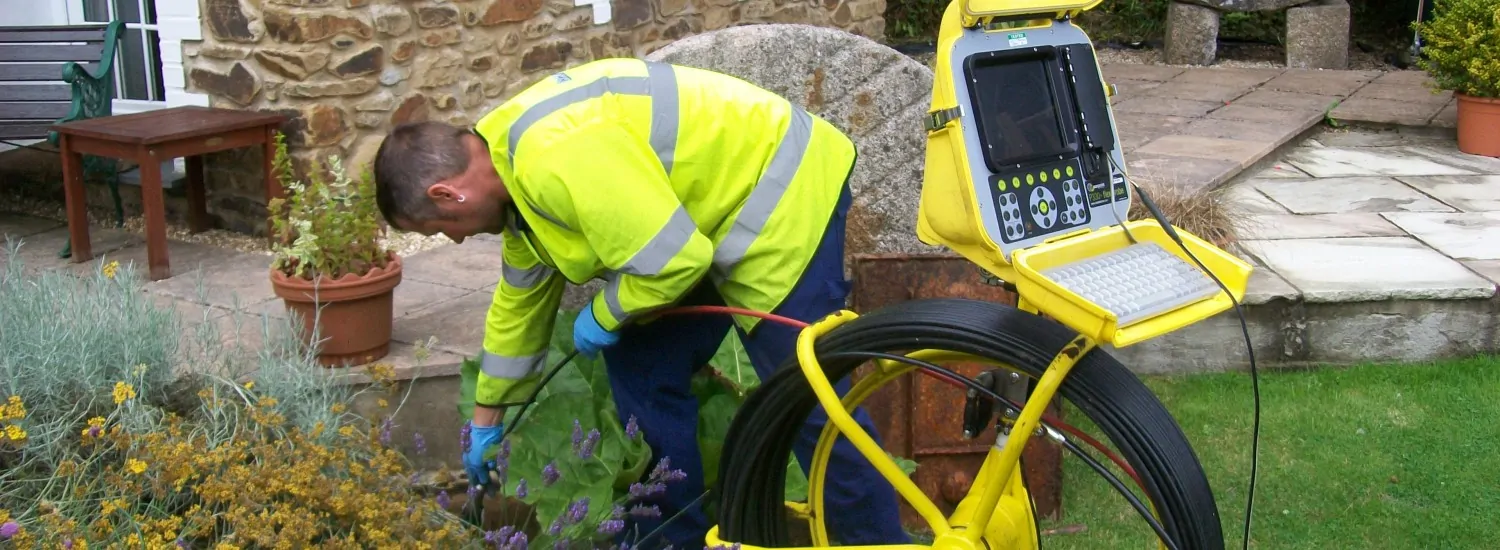
Experts can use CCTV drain surveys to identify blockages caused by root intrusion, collapsed pipes, or hardened silt deposits that are not easily removed by simple methods. They also have specialised equipment such as high-pressure jetting machines that can clear drains thoroughly without damaging pipework.
For Hayes residents and those in nearby towns such as Southall or West Drayton, seeking professional advice ensures problems are resolved safely and efficiently. This can prevent costly repairs later and maintain the safety and value of your home.
Simple Tips to Protect Your Outside Drains Year-Round
A proactive approach goes a long way in keeping outside drains and gullies clear. Consider installing leaf guards or grates designed to reduce debris entry without restricting water flow. These can be especially helpful in Autumn when Hayes experiences heavy leaf drop.
Avoid pouring fats, oils, or garden waste down outdoor drains, as these can cause blockages or attract vermin. Regularly sweep paved areas and pathways to reduce the amount of dirt and organic matter entering gullies during rain.
Finally, keep an eye on nearby trees for overhanging branches that shed leaves onto drains, and trim them back if necessary. This simple maintenance protects your drainage system and can prevent unexpected water issues throughout the year.
Need a drainage expert in Hayes?
Call 0800 669 6492